News Story
MATRIX Helping Maryland Build Tomorrow's Workforce

MATRIX Research Lab Manager Joe Copenhaver provides soldering demonstration to MATRIX intern
The University of Maryland A. James Clark School of Engineering MATRIX Lab will be offering Southern Maryland’s workforce the chance to learn new skills, thanks to support from Governor Wes Moore’s “Maryland Lighthouse Industries Upskilling and Reskilling Program.”
An announcement just released from the Governor’s Office states that the $1.23M investment will help Marylanders build skills for careers in high-growth industries increasingly shaped by artificial intelligence (AI) and other emerging technologies. The awards went to organizations across Maryland like the MATRIX Lab that are expanding workforce training opportunities in the state’s critical lighthouse industries, including life sciences, information technology, and aerospace and defense. “Lighthouse industries” are sectors Maryland has identified as having the greatest potential to attract investment, create jobs, and drive long-term economic growth.
The grant will help the MATRIX Lab deliver solder certification training (specifically IPC J-STD-001, a nationally recognized, industry-required credential) to both working professionals and jobseekers, with explicit preference for recently displaced federal workers, in the aerospace and defense lighthouse industries.
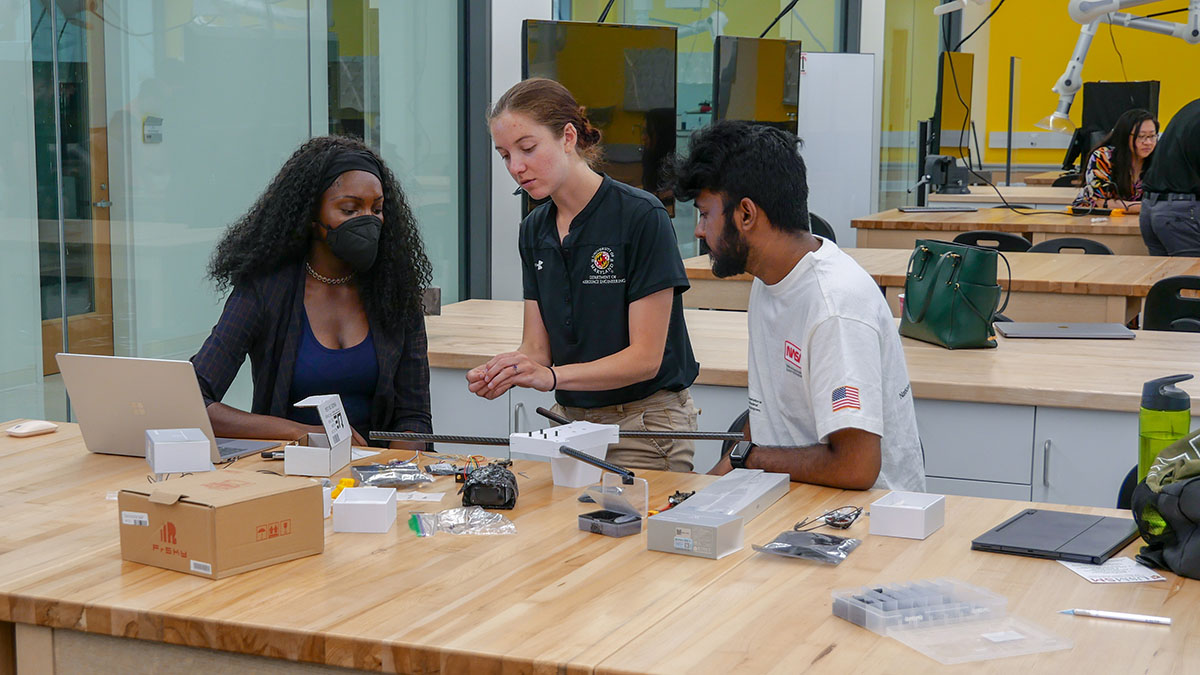
“This program exists to help the people who need it most, the unemployed and underemployed here in Southern Maryland and across the state, get a real, local path back to work, without having to leave their community to do it,” said Jamison Watson, MATRIX Assistant Director for Research Development.
Soldering is a technique used to join different types of metal together and is commonly seen in the electronics industry to build and repair printed circuit boards (PCBs) and other electronic components. Participants will study soldering and its limitations and learn how to properly solder. They will also be exposed to AI-powered inspection tools and learn how to interpret AI-generated quality assessments. Using AI in quality control increases the accuracy and efficiency of the process.
“We’re bridging the gap between workforce development, certifications, and AI to better train professionals for their current job positions or future employment opportunities,” said Joe Copenhaver, MATRIX Research Lab Manager. “The certification we’ll be offering is required for working on federal aerospace projects, so this will open up a lot of opportunities for a lot of people, including our local technicians and future engineers.”
Ultimately, the MATRIX Lab will be offering this certification course in its lab spaces, located inside the USMSM SMART Building.
Published July 10, 2026
Related Stories
Stories / February 12, 2026
MATRIX Lab Workshop Focuses on Fielding Autonomous Systems

Stories / August 19, 2026
Smooth Sailing: MATRIX Dives Into Ship Inspecting

Stories / May 28, 2026
Generations of Graduates: A Full-Circle Celebration
Stories / January 13, 2026
Sensor Advancement Breaks Barriers in Brain-Behavior Research

Stories / October 21, 2025
UMD Student Bridging Research Innovation and Education Advocacy
Stories / September 26, 2025
MATRIX-Affiliated Faculty Solving Challenges with Solutions...

Stories / August 18, 2025
Clark School Seed Grant Awards Announced
Stories / July 25, 2025
MATRIX Facilities and Talent Featured in New Video
Stories / June 26, 2025
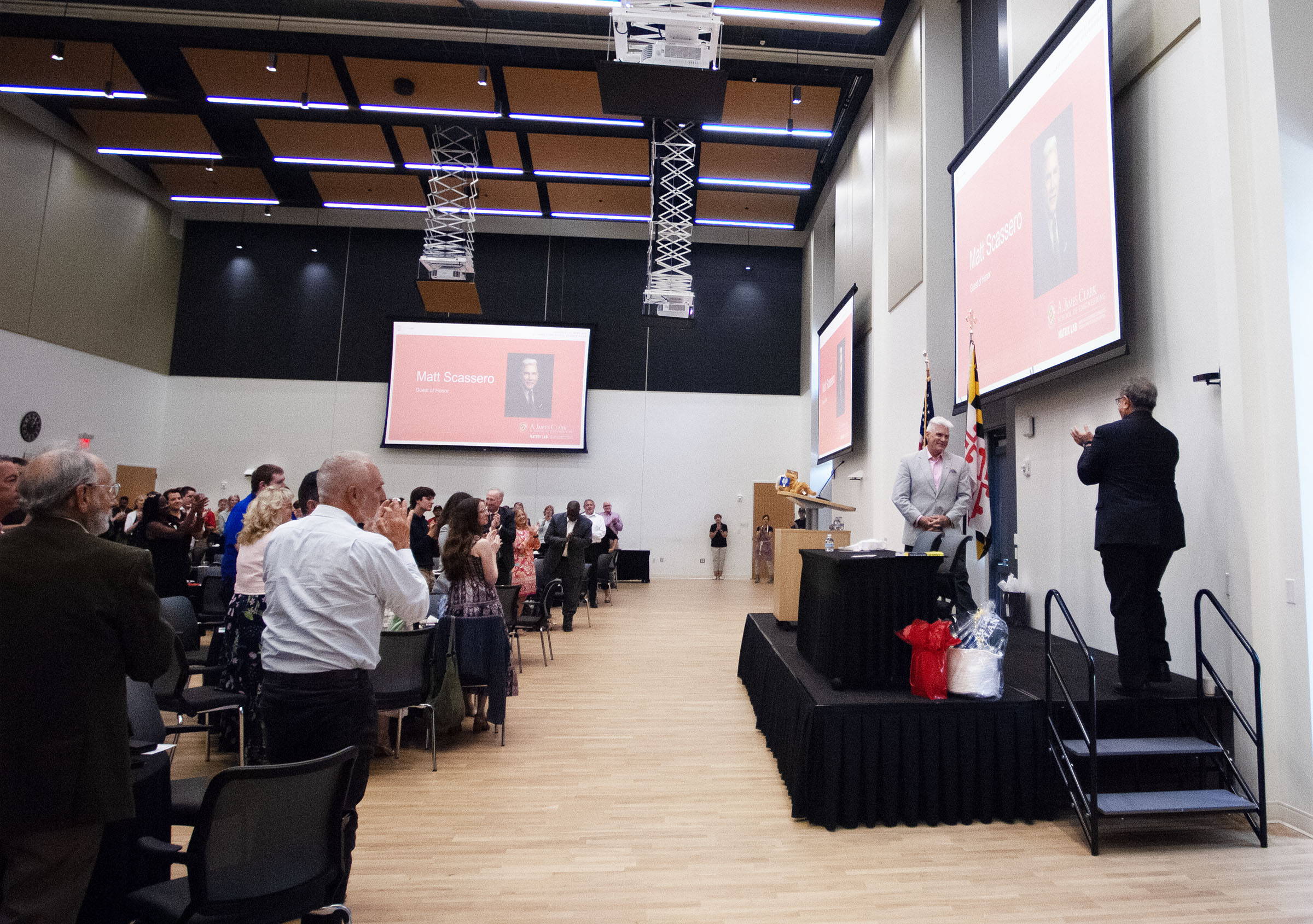
Celebrating a Legend: Matt Scassero's Retirement Event
Stories / June 25, 2025
MATRIX-Affiliated Faculty Solving Challenges From Sea to Space